
DIY Woodworking Projects: Beginner Tips from Ohlhauser Custom Woodworx

Getting Started with DIY Woodworking
Embarking on your first DIY woodworking project can be both exciting and daunting. At Ohlhauser Custom Woodworx, we believe that with the right guidance, anyone can create beautiful pieces from wood. Whether you're crafting a simple shelf or a complex table, these beginner tips will set you on the path to success.
Before you start, it's crucial to gather the essential tools. A basic woodworking toolkit should include a saw, hammer, drill, measuring tape, and chisels. As you gain experience, you can expand your toolkit with more specialized equipment.
Choosing the Right Wood
Selecting the appropriate wood for your project is vital. For beginners, softwoods like pine or cedar are ideal due to their ease of use and affordability. As you become more skilled, you may explore hardwoods like oak or walnut for more intricate projects.
Pay attention to the wood grain, knots, and overall condition. These elements can significantly influence the final appearance of your project, so choose carefully based on your design needs.
Understanding Woodworking Plans
A well-detailed plan is the backbone of any successful woodworking project. Start with simple designs, such as birdhouses or picture frames, which provide a solid foundation in basic techniques. Detailed plans often include measurements, material lists, and step-by-step instructions.
Consider joining online forums or groups where you can find free plans and advice from experienced woodworkers. Engaging with a community can offer valuable insights and inspiration.
Mastering Basic Techniques
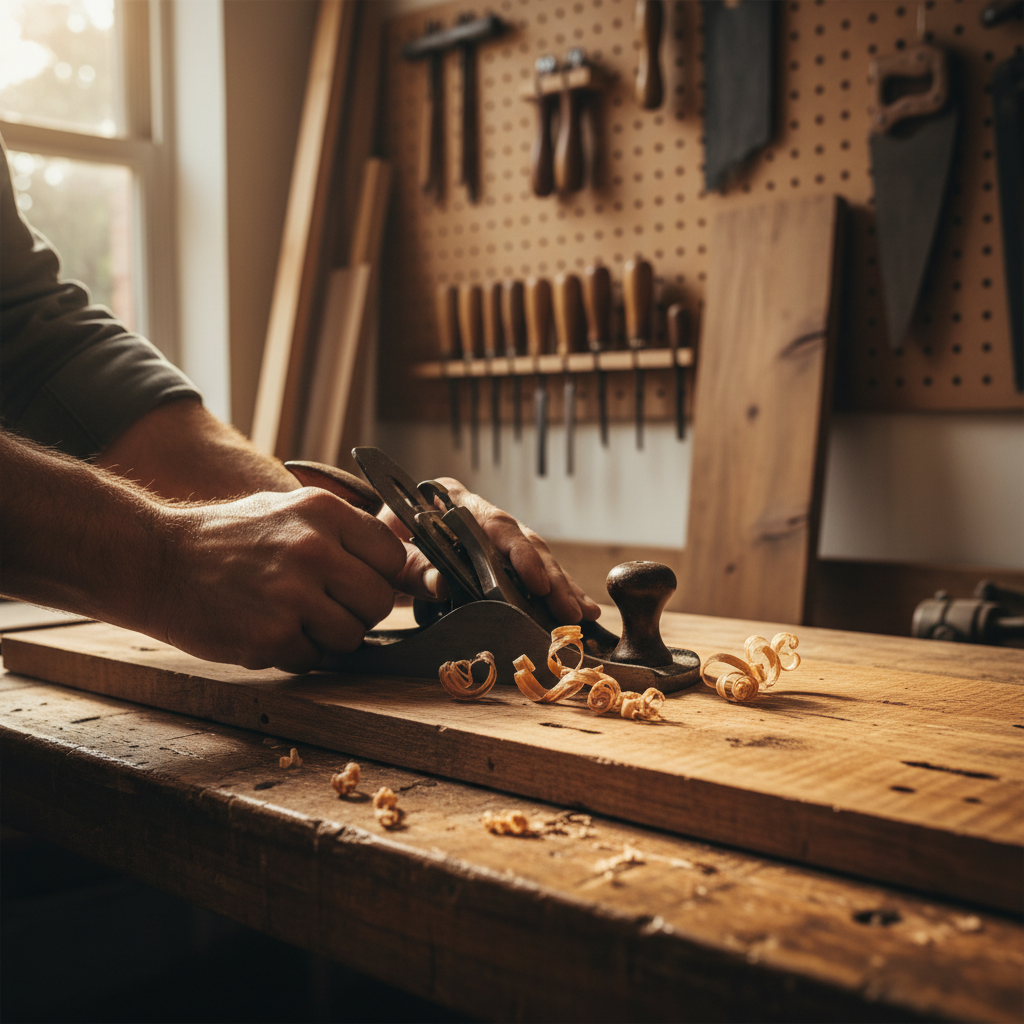
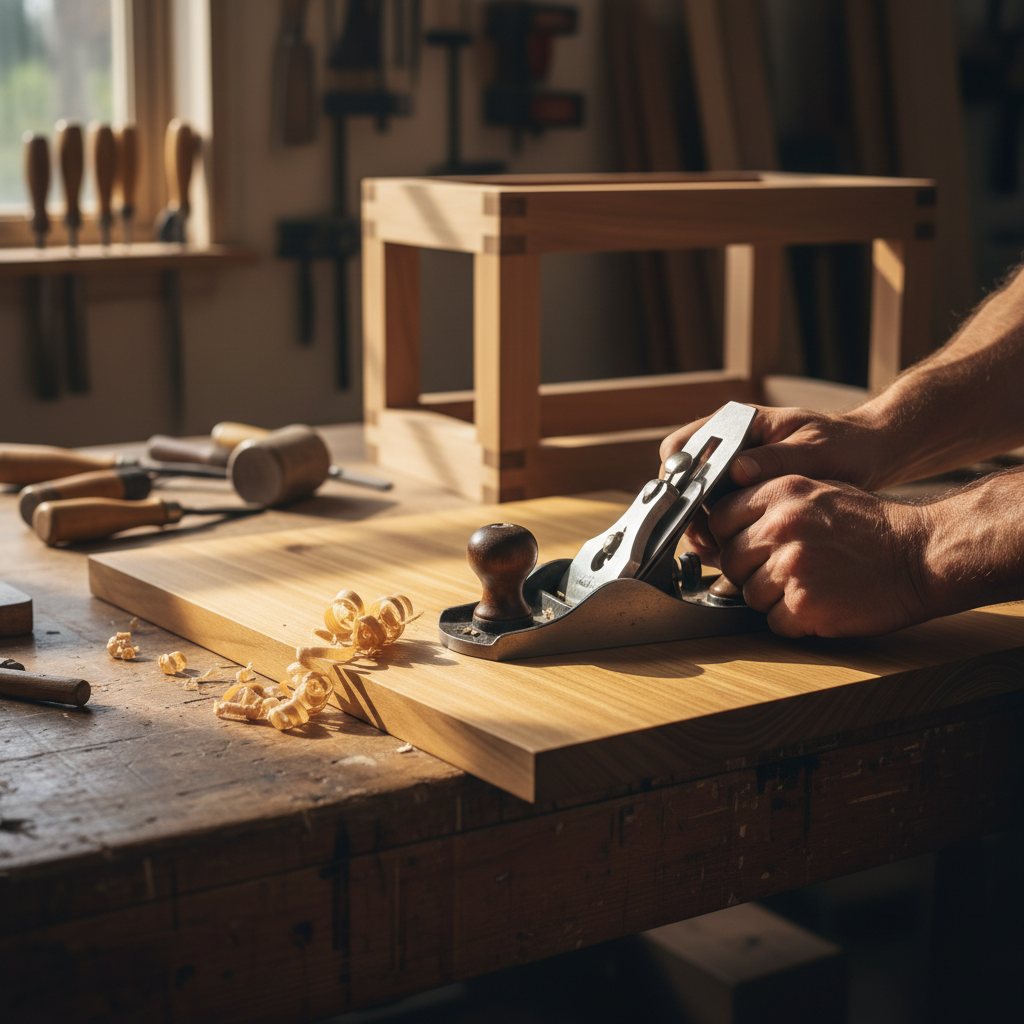
Mastering a few basic techniques will greatly enhance your woodworking skills. Focus on learning how to measure and cut accurately, as precision is key to crafting quality pieces. Practice joining techniques like dovetail and mortise and tenon joints, which are fundamental in woodworking.
Don't be afraid to make mistakes. Each error is a learning opportunity that will improve your craftsmanship over time.
Safety First
Safety is paramount when working with tools and machinery. Always wear protective gear such as goggles and gloves, and keep your workspace organized to prevent accidents. Familiarize yourself with the safety features of each tool you use.
Remember, taking your time and working carefully will not only produce better results but also ensure a safer working environment.
Finishing Your Project
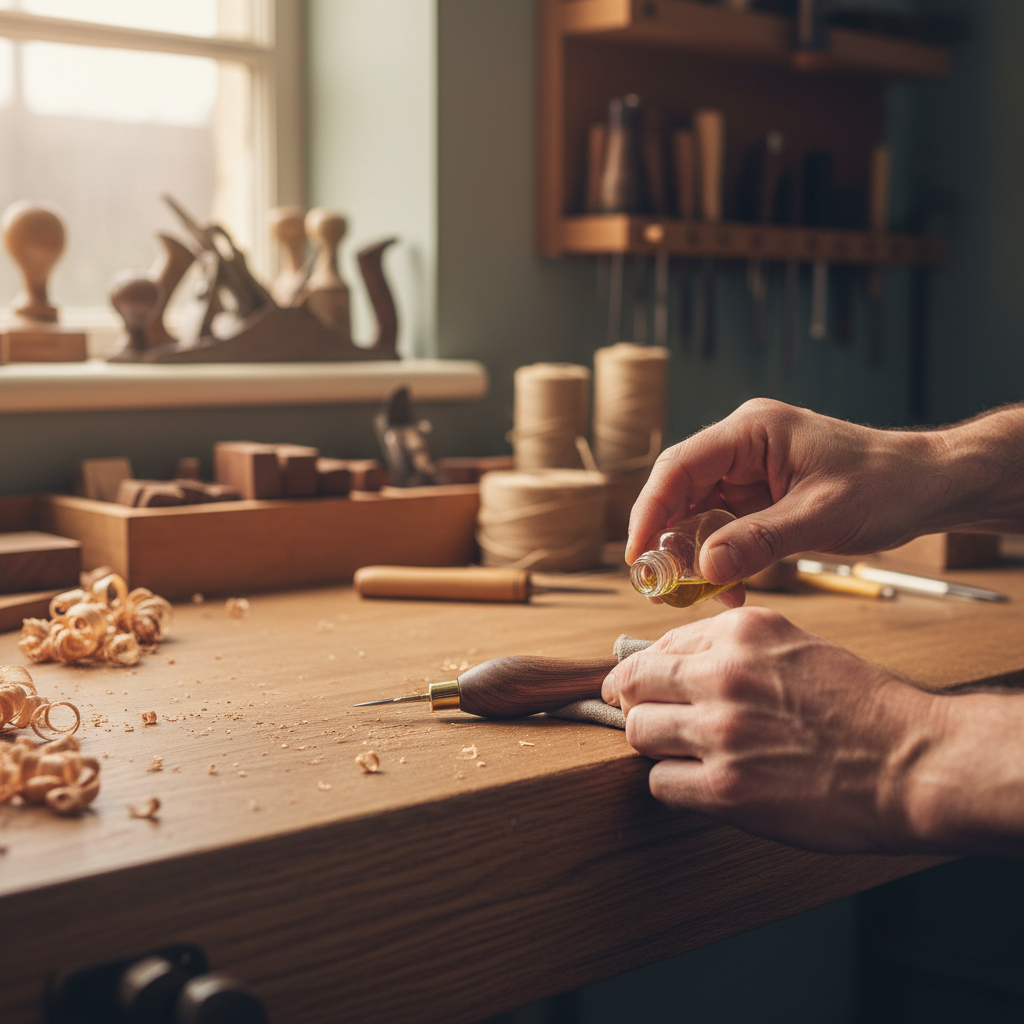
Once your project is assembled, the finishing touches will bring it to life. Sanding the surface smooths out any rough edges, while a stain or paint can enhance the wood's natural beauty or match your home decor. Sealing with varnish or lacquer will protect your work from wear and tear.
Take pride in your craftsmanship, and don't rush the finishing process. A well-finished piece is a testament to your dedication and skill.

Conclusion
DIY woodworking is a rewarding hobby that allows you to create functional and beautiful pieces from scratch. By starting with the basics and gradually building your skills, you'll soon be tackling more complex projects with confidence. At Ohlhauser Custom Woodworx, we're excited to support your woodworking journey and see the incredible creations you bring to life.