
Debunking Myths: Custom Woodwork vs. Mass-Produced Furniture


Understanding Custom Woodwork
When it comes to furniture, the debate between custom woodwork and mass-produced pieces is ongoing. Custom woodwork involves creating furniture tailored to specific needs and tastes, offering a unique touch that mass-produced items often lack.
Custom woodwork allows for the selection of materials, styles, and finishes that perfectly align with your vision. This level of personalization can transform a space, giving it a distinct character that reflects your personality.
Quality and Craftsmanship
Durability and Longevity
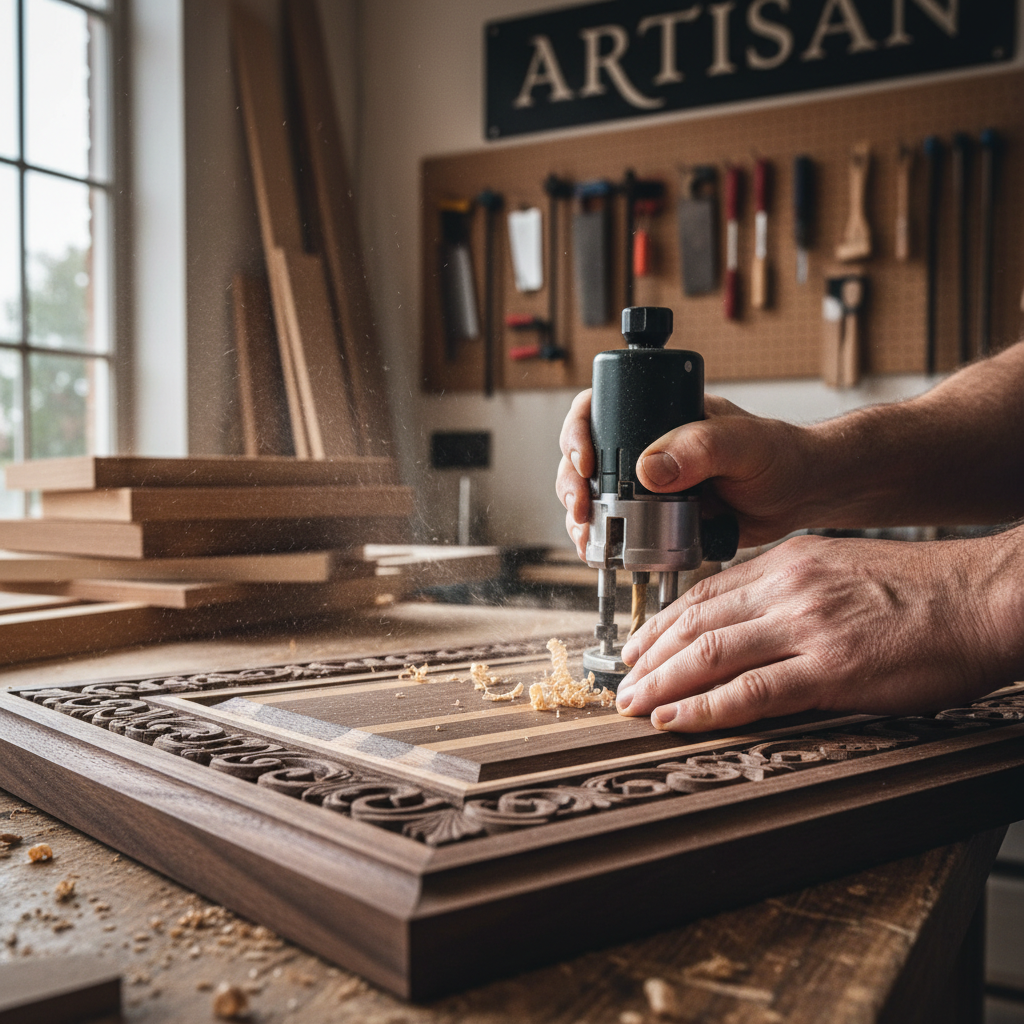
One of the most significant advantages of custom woodwork is its superior quality and craftsmanship. Skilled artisans dedicate time and attention to detail, ensuring each piece is built to last. This dedication often results in furniture that withstands the test of time, unlike many mass-produced options.
Mass-produced furniture is typically designed for quick assembly and cost efficiency, which can sometimes compromise durability. In contrast, custom pieces are crafted with precision and care, often using high-quality wood that enhances their longevity.
Unique Design
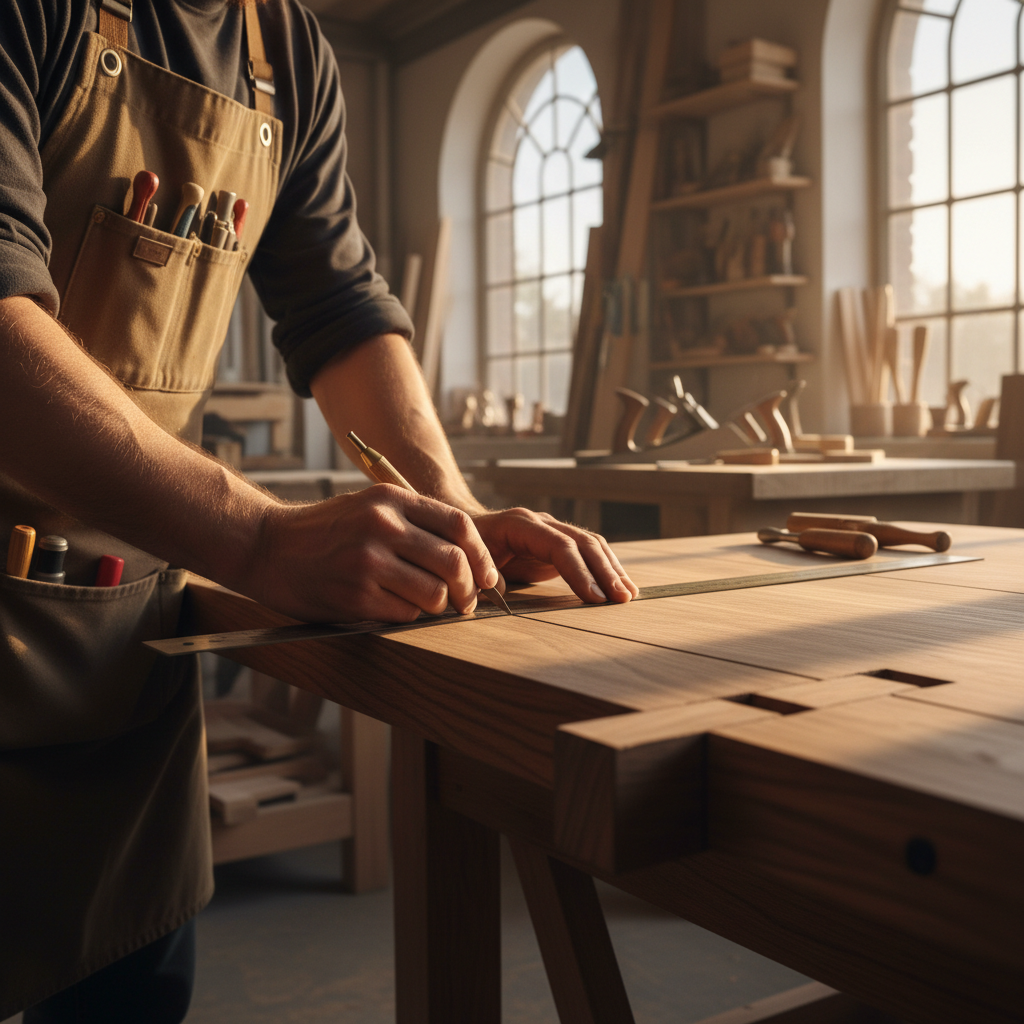
Custom woodwork offers a level of uniqueness that mass-produced furniture cannot match. Each piece is one-of-a-kind, designed specifically for your space. This uniqueness adds a layer of exclusivity, making your home stand out.
With mass-produced furniture, you might find the same design in countless homes. Custom pieces, however, allow you to express your creativity and style without limits, resulting in a truly personalized space.

Cost Considerations
Initial Investment vs. Long-Term Value
It's no secret that custom woodwork can be more expensive up front compared to mass-produced furniture. However, the initial investment often translates into long-term value. Custom pieces are typically more durable and timeless, reducing the need for frequent replacements.
On the other hand, mass-produced furniture may seem more affordable initially, but its lower quality can lead to quicker wear and tear, ultimately costing more in replacements and repairs.
Environmental Impact
Another important factor to consider is the environmental impact. Custom woodwork often utilizes sustainable practices and materials, reducing its ecological footprint. Artisans may source wood responsibly and use eco-friendly finishes to minimize harm to the environment.
Mass-produced furniture, however, may involve processes that contribute to deforestation and pollution. By choosing custom pieces, you can make a more environmentally conscious decision.

Conclusion
In the debate between custom woodwork and mass-produced furniture, it's clear that custom pieces offer numerous advantages, from quality and unique design to long-term value and environmental benefits. While the upfront cost may be higher, the personalized experience and lasting durability make custom woodwork a worthwhile investment for those seeking a distinctive and enduring addition to their home.