
Custom Woodworking vs. Mass-Produced: What’s the Difference?

Understanding the Craft of Custom Woodworking
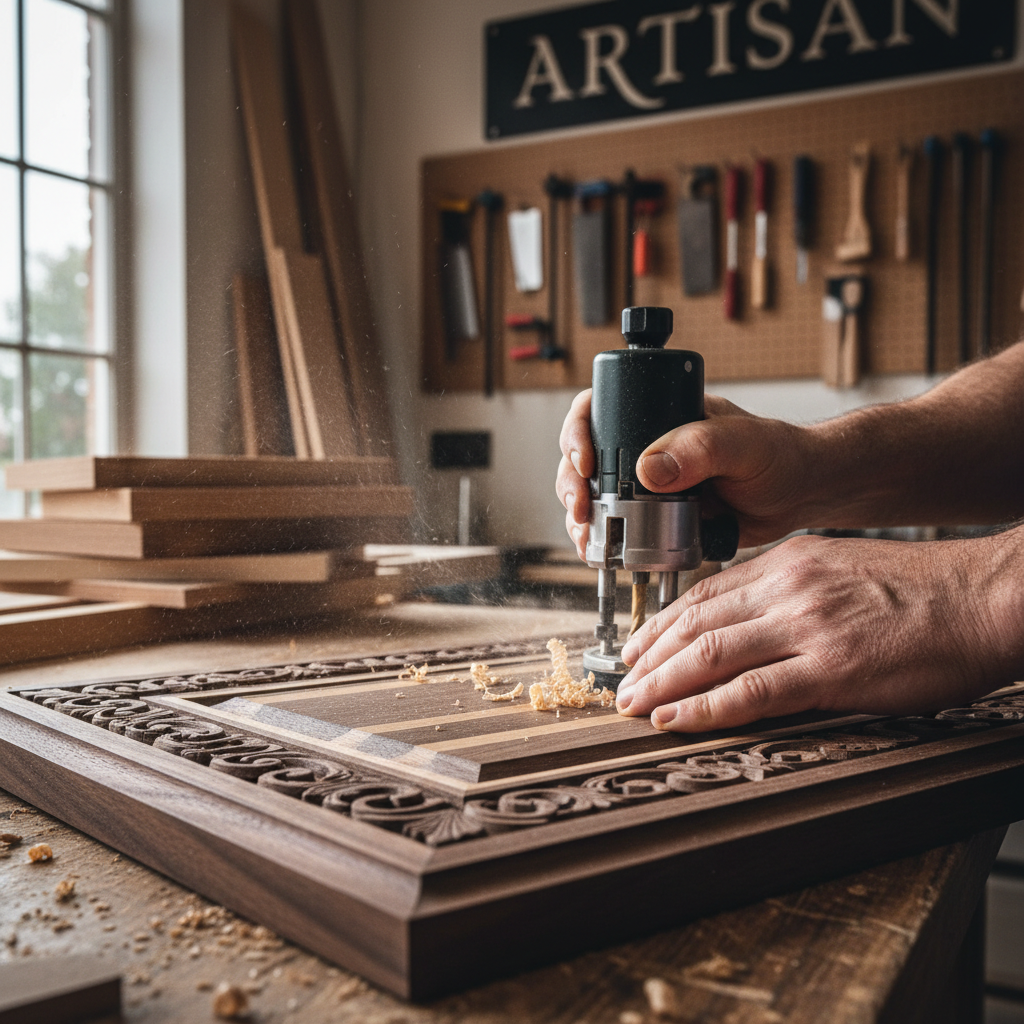
Custom woodworking is an art form that combines creativity with craftsmanship. Unlike mass-produced furniture, custom pieces are designed and built with specific needs in mind, offering a unique aesthetic and functionality tailored to the individual. This personalized approach allows for flexibility in design, material choice, and finishes.
One of the primary benefits of custom woodworking is the attention to detail. Skilled artisans invest time and effort to ensure each piece meets the highest standards of quality. This meticulous process results in furniture that is not only visually appealing but also durable and long-lasting.
Exploring Mass-Produced Furniture
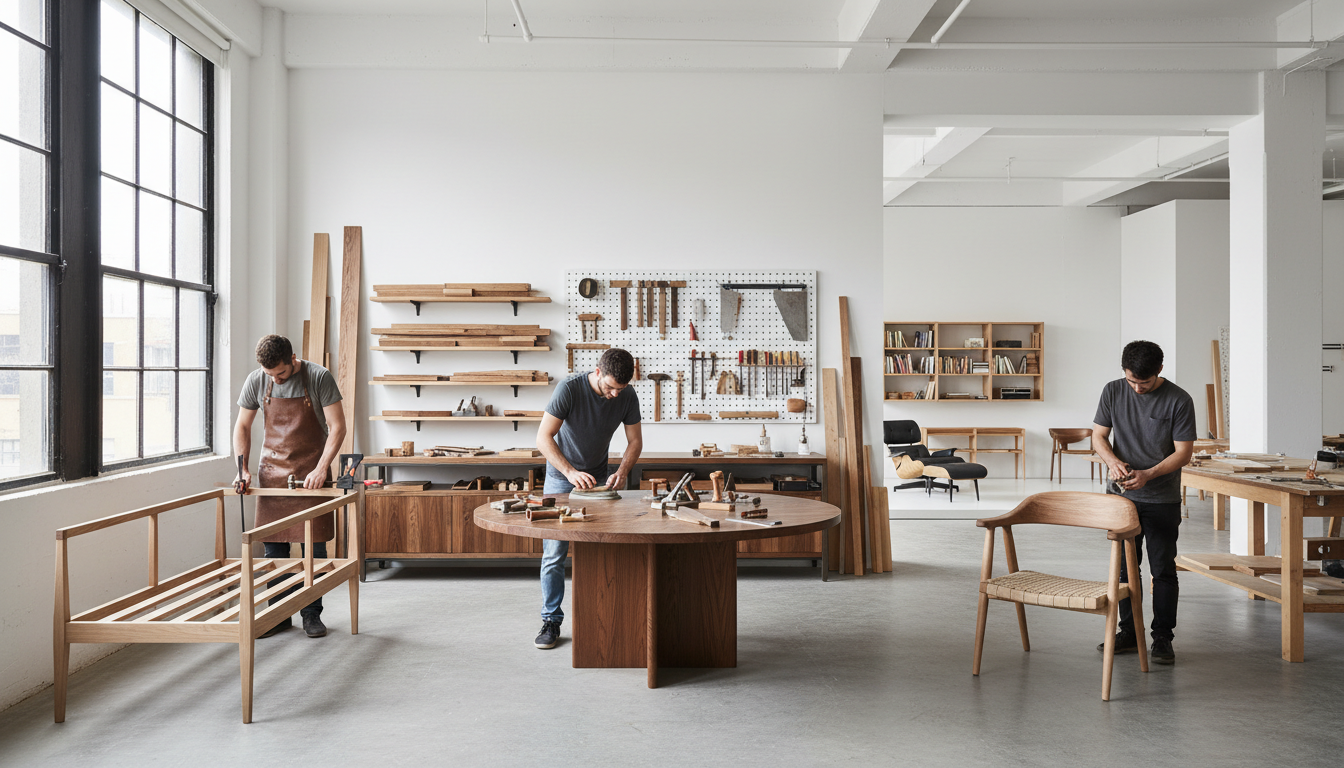
Mass-produced furniture, on the other hand, is manufactured on a large scale, often using automated processes. This method allows for lower costs and quicker production times, making it accessible to a broader audience. However, this can come at the expense of uniqueness and individuality.
Mass-produced items are typically designed to fit a wide range of styles and preferences, which can be both an advantage and a limitation. While you may find something that suits your taste, the lack of personalization might leave some wanting more.
Materials and Sustainability
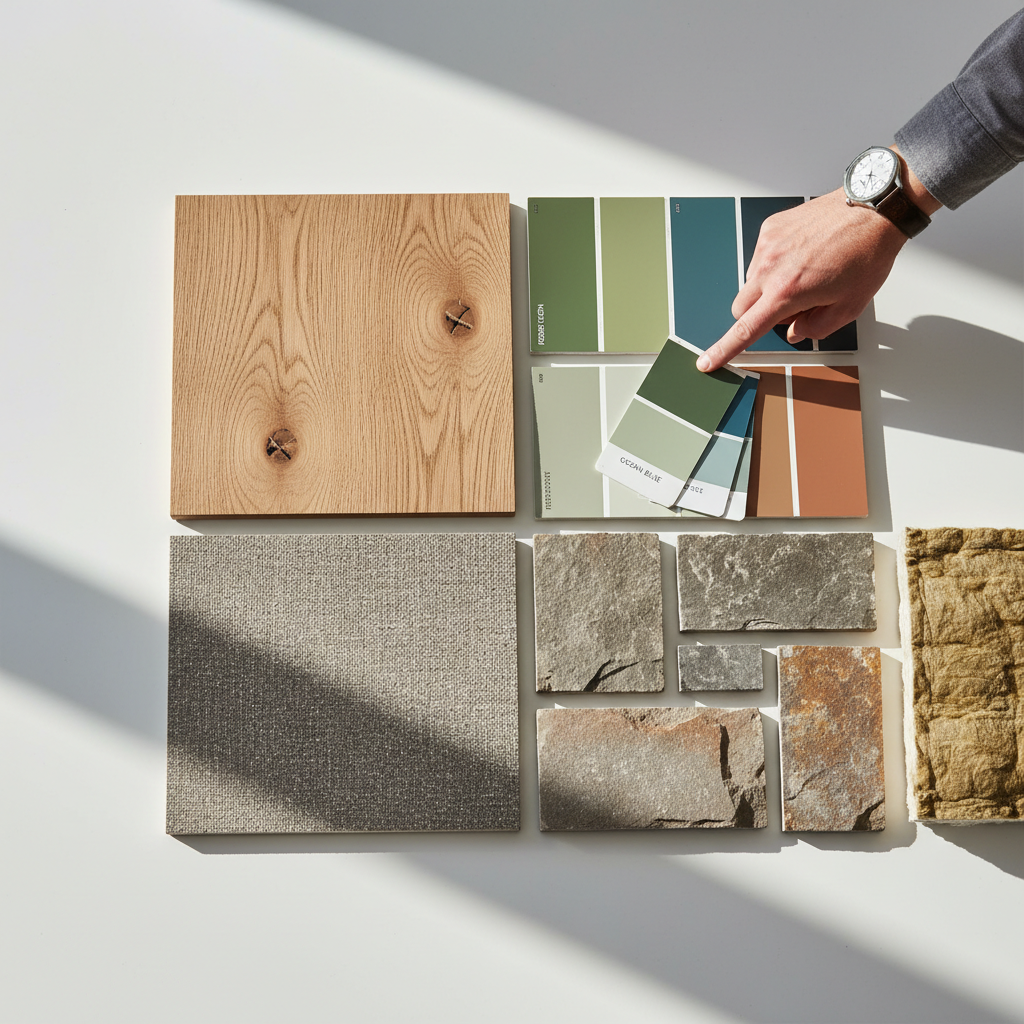
Custom woodworking often involves the use of high-quality, sustainable materials. Artisans can source locally and choose materials that align with environmentally friendly practices. This not only contributes to the longevity of the piece but also supports eco-conscious efforts.
In contrast, mass-produced furniture may rely on cheaper, less sustainable materials to keep costs down. While advancements have been made to improve sustainability in mass production, the focus remains on affordability and speed.
Design and Functionality
Custom pieces offer complete control over design and functionality. Whether you need a specific size, shape, or feature, custom woodworking can accommodate these needs. This level of personalization is ideal for those with unique spaces or specific requirements.
Mass-produced furniture, however, is designed with general dimensions and functions in mind. While this suits many, it may not meet the needs of those looking for something truly specialized.
Cost and Investment
Custom woodworking often represents a higher initial investment due to the labor-intensive process and quality materials used. However, this investment can pay off in terms of longevity and satisfaction, as custom pieces often become cherished heirlooms.
Mass-produced furniture is generally more budget-friendly upfront, making it a viable option for those looking to furnish a space quickly. The trade-off is that such items may need replacing sooner, potentially costing more over time.

Conclusion
Choosing between custom woodworking and mass-produced furniture depends on your priorities, budget, and personal style. Custom woodworking offers a personalized, sustainable, and high-quality option that can transform a space, while mass-produced furniture provides affordability and convenience. Consider what matters most to you when making your decision.